
Differences in LS Heads Like the blocks, the cylinder heads used on the various LS…
The Definitive Guide to LS, LSX, and Vortec Engines: History, Specifications, and Swap Essentials – Part3
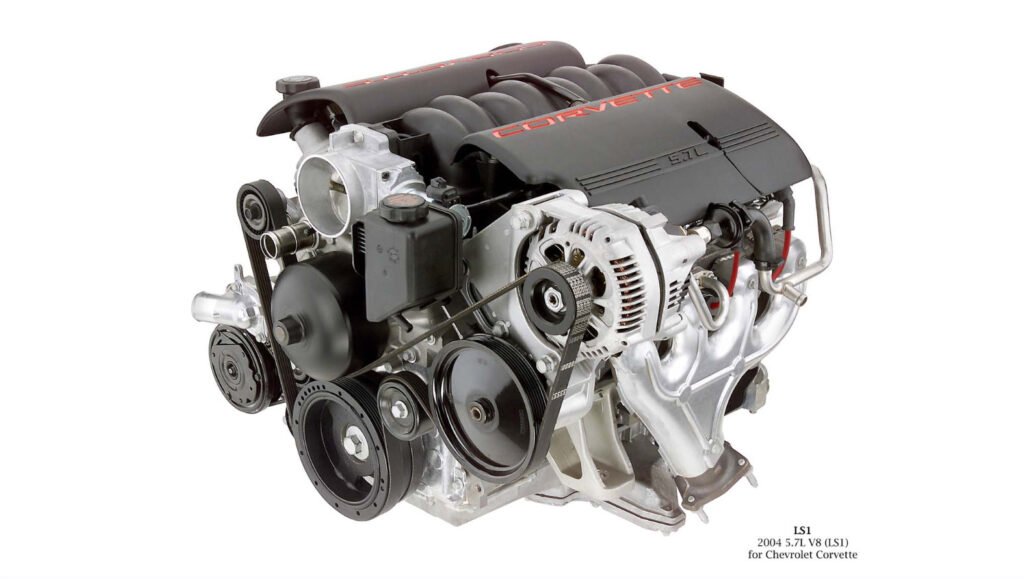
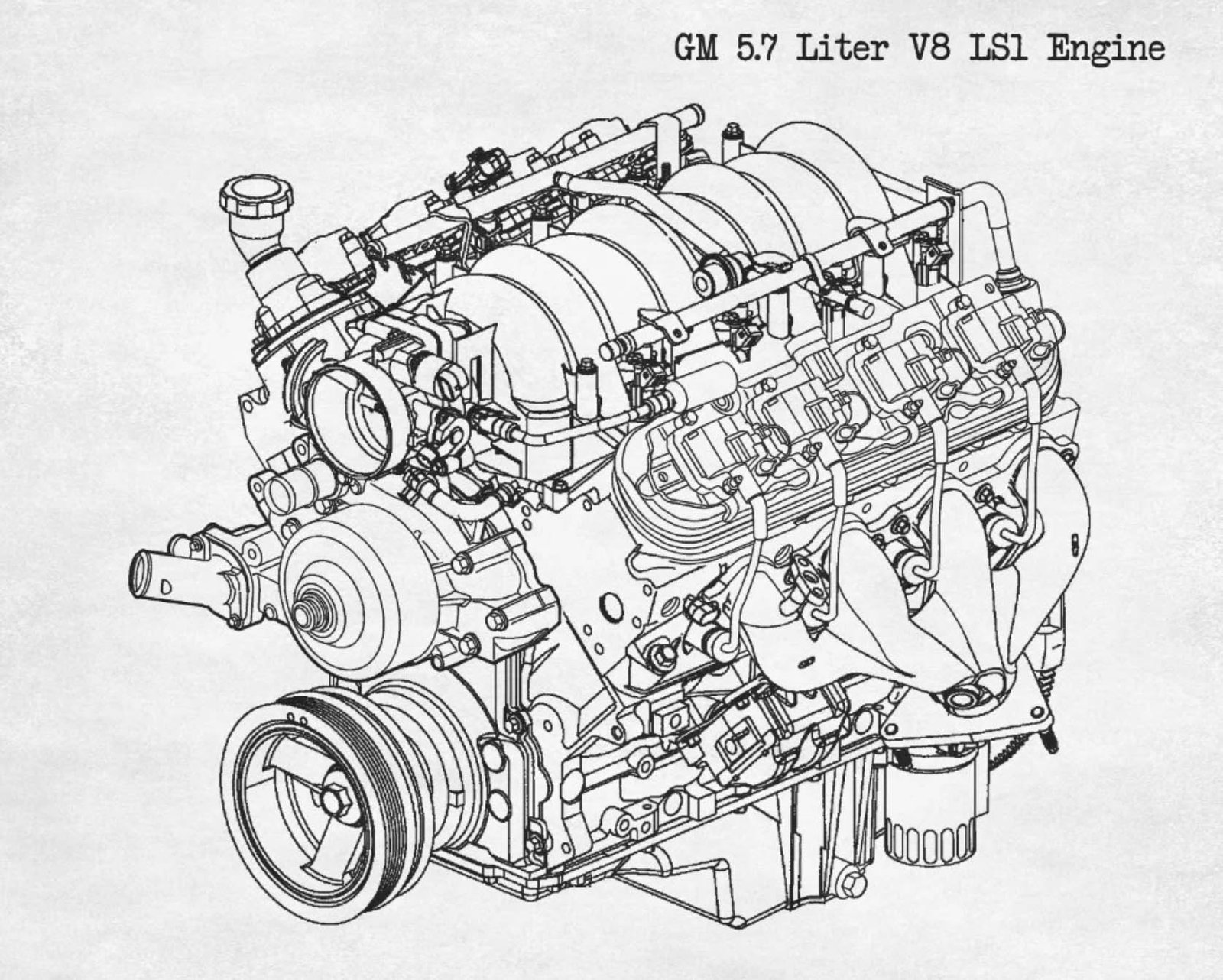
LS1: The Engine That Changed it All
The LS1 (5.7 liter, 346ci) was the engine that started it all. Given the Gen III designation and introduced in the 1997 Corvette and the Camaro/Firebird in 1998, it was a huge departure from the previous LT1 (Gen II) powerplant and included features such as a deep-skirt aluminum block and coil-near-plug ignition. For the Camaro the LS1 was rated at 305 hp and came in 95 pounds lighter than the LT1 it replaced. 1997-98 Corvettes and 1998 Camaros had less-desirable perimeter-bolt valve cover heads. 1999 saw a move to a center-bolt design (241 casting) that was carried on through all subsequent LS variants. Around 2002, some of the LS1 engines started receiving the improved LS6 parts such as the intake manifold, heads, and stronger block. The 2004 GTO also fielded the LS1 (350 hp).
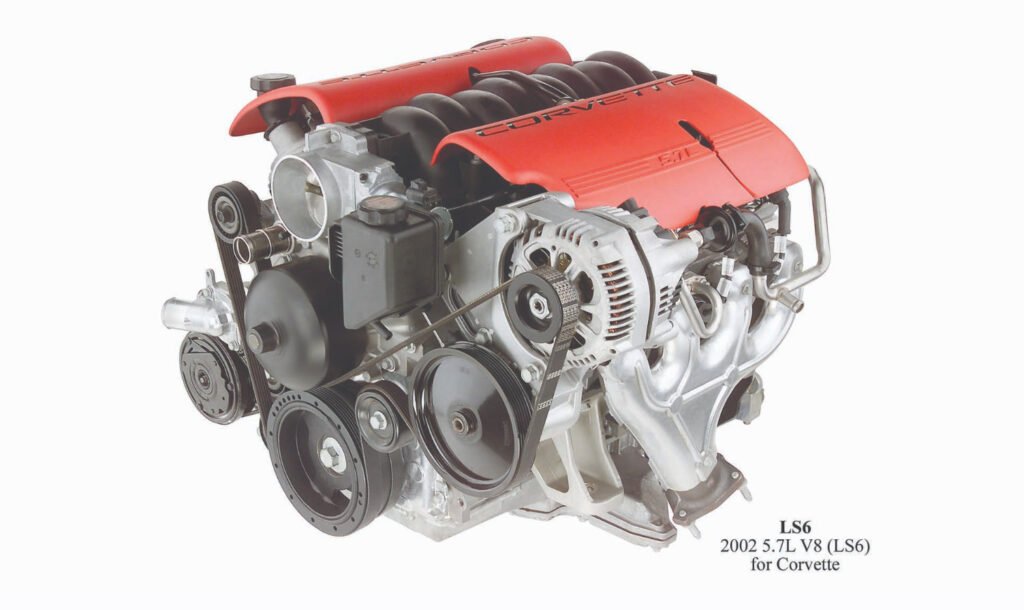
LS6: More Power for the New C5 Z06 Corvette
The LS6 (5.7 liter, 346ci) was an improved version of the LS1 designed for the 2001 Corvette Z06, with an advertised output of 385 hp (in 2002 power ticked up to 405 hp). Manufactured through 2005, it also found its way into the Cadillac CTS-V. While it shares displacement with the LS1, it features a revised block with improved bay-to-bay breathing, greater strength, higher compression, revised pistons, and other small tweaks. The LS6 also received better heads (243 castings), a slightly more aggressive cam, and a much improved intake manifold. The LS6 cam is the most aggressive cam GM put out for cathedral port-headed LS engines.
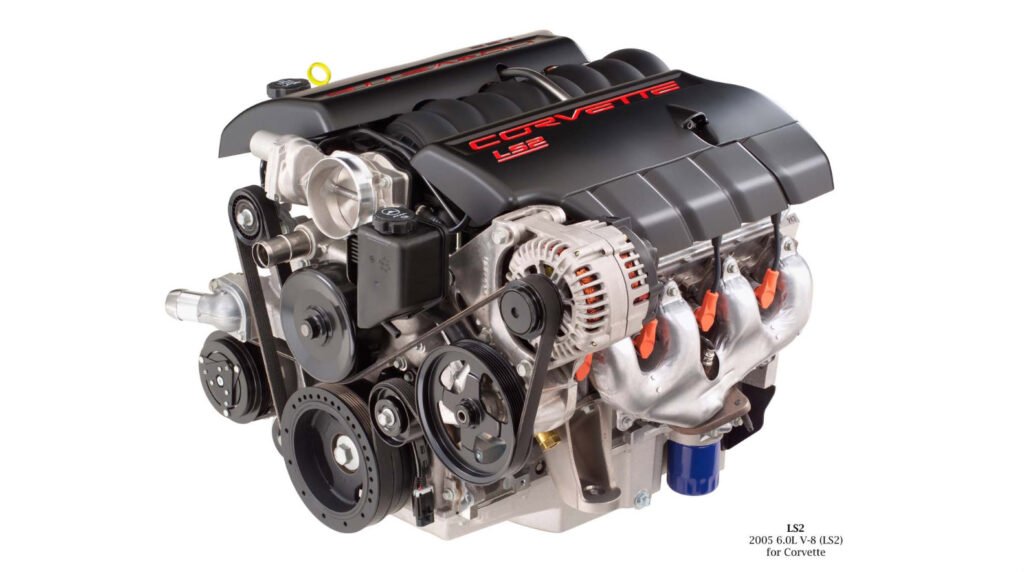
LS2: More Displacement and Wider Use Across GM
The LS2 (6.0 liter, 364ci) was a large evolution of the platform and was given a Gen IV designation. The LS2 debuted in 2005 in the Corvette (400 hp), GTO (350 hp), and the concept-car-inspired SSR (390 hp). It also found its way into the Trailblazer SS (395 hp) and the Holden-based 2008 Pontiac G8 GT (361 hp). Early LS2 engines had 24x reluctor wheels and 1x cam sprockets while later ones transitioned to the 58x reluctor and 4x cam sprocket arrangement.
The increased displacement meant more power and the increased bore meant it worked with LS1/LS6 heads as well as the newer LS3/L92 versions. Depending on the year and platform, the LS2 could have come with either head. While there were vast differences between the Gen II V-8 and the Gen III V-8, the differences between Gen III and Gen IV engines are nearly unnoticeable at first glance. Provisions for active fuel management were added to most of the blocks and the bore size increased to 4.000 inches. Sensors also moved around and changed a bit. For example, the cam sensor moved from behind the intake to the front timing cover and the crank sensor changed from black (24x) to grey (58x). Due to the long cylinder sleeves LS2 blocks are great for stroking, and a 4.000-inch crank will make a 408.
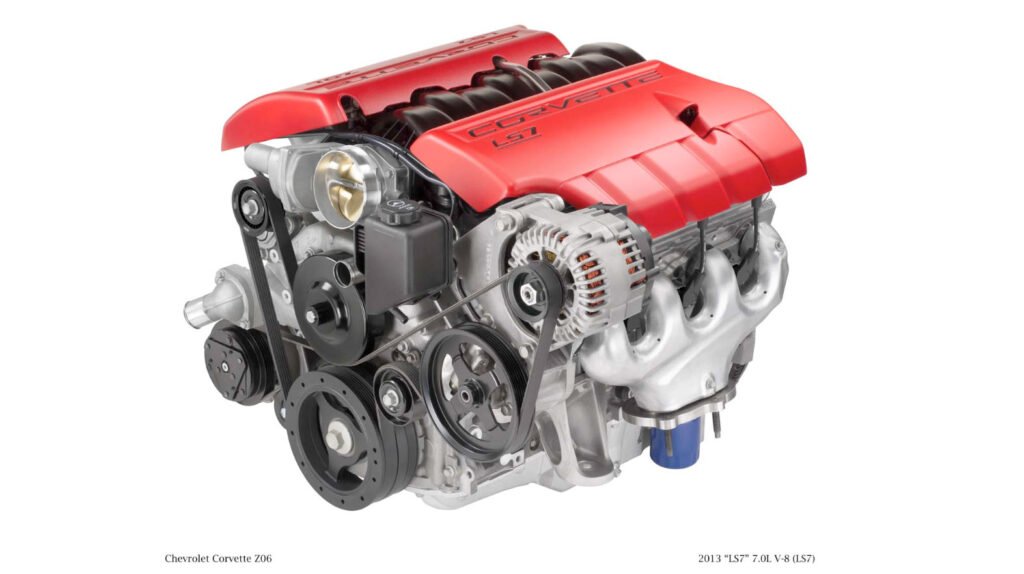
LS7: Dry Sump Race Technology Finds Its Way Into Street Cars
The LS7 (7.0liter, 427ci) was developed specifically for the C6 Corvette Z06 and is the largest LS variant offered by GM, featuring a unique 4.000-inch stroke. Its large bores (4.125 inches) required a siamesed-bore cylinder block. The LS7 is full of race-ready parts and tech including titanium intake valves and rods, which helped churn out the 505 rated horsepower. It was also designed around a hybrid dry/wet oiling system (but referred to as a dry-sump system), a first for GM. LS7s were hand-assembled for the Corvette at the GM Performance Build Center in Wixom, Michigan.
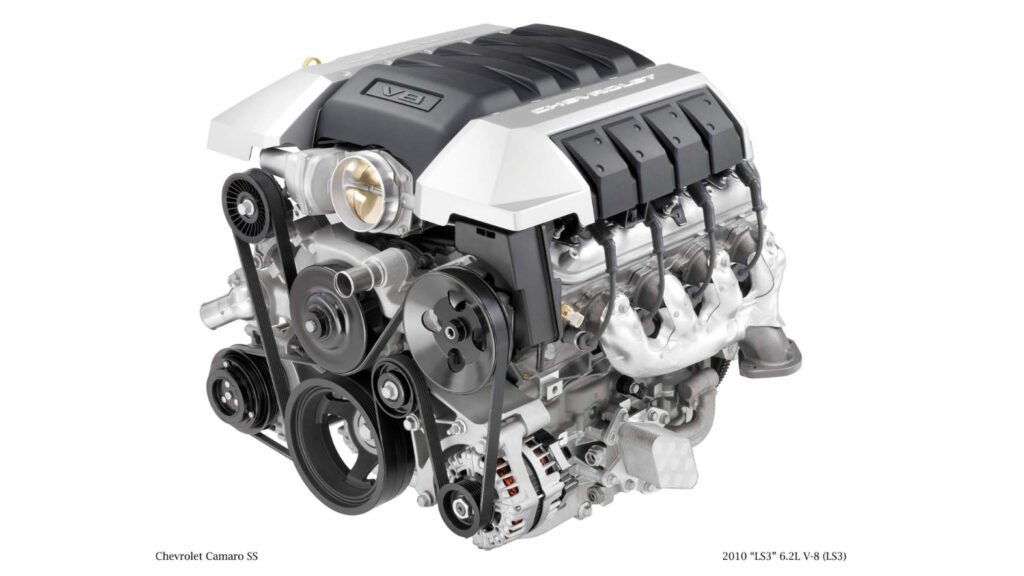
LS3: A Better Design for the Fourth-Generation V-8
The LS3 (6.2 liter, 376ci) hit the market in 2008 in the new C6 Corvette and really ratcheted up the performance with the power output jumping to 430 horsepower. More strength was added to the LS3 block (which helped handle the power from the supercharged LS9 for the ZR1 Vette). The Pontiac G8 GXP also received the LS3 (415 hp). In 2010, the relaunched Camaro SS got the LS3 (426 hp) in the manual transmission-equipped cars and an L99 (400 hp) version with Active Fuel Management (cylinder deactivation). The increased displacement was due to a bump in bore size to 4.065 inches. Add a 4.000-inch stroke and end up with a 415ci mill.
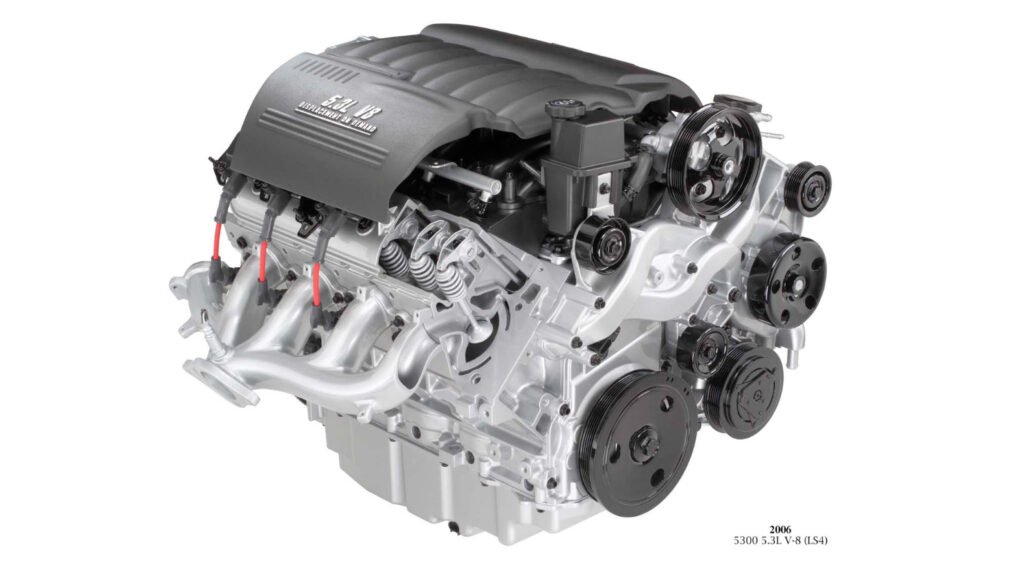
LS4: Transaxle LS Power
The LS4 (5.3 liter, 327ci) is fairly uncommon to come across. It’s centered around a 5.3-liter block, like the trucks, but one that’s made from aluminum instead of the far more common iron. These were rated at 303 horsepower and were found in front-wheel-drive Pontiac Grand Prix GXPs and Chevrolet Impalas. If you need a transaxle swap LS, then this is the engine to find. If not, then it’s not a good swap candidate due to the different transmission mounting points.
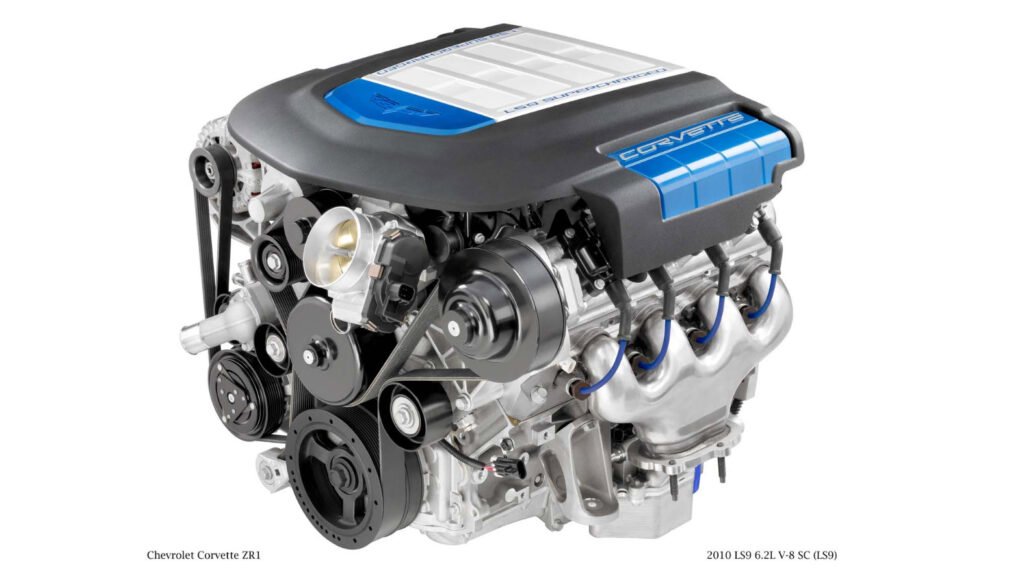
LS9: The Most Powerful LS to Date Thanks to Boost
The LS9 (6.2 liter, 376ci) was the first LS variant to get a supercharger, making it the most powerful LS from GM at 638 hp. To handle the boost, the LS9 used the improved LS3 block with stronger steel main caps (as opposed to the standard powdered metal LS3 main caps), larger 12mm head bolts, and forged pistons. More power was derived from the roto-cast cylinder heads and a 2.3 liter Roots-type supercharger. Like the LS7, it was a dry-sump engine and was hand built at the Wixom Performance Build Center. The ZR1 was the first Corvette to break the 200 mph mark, and it couldn’t have done it without the LS9.
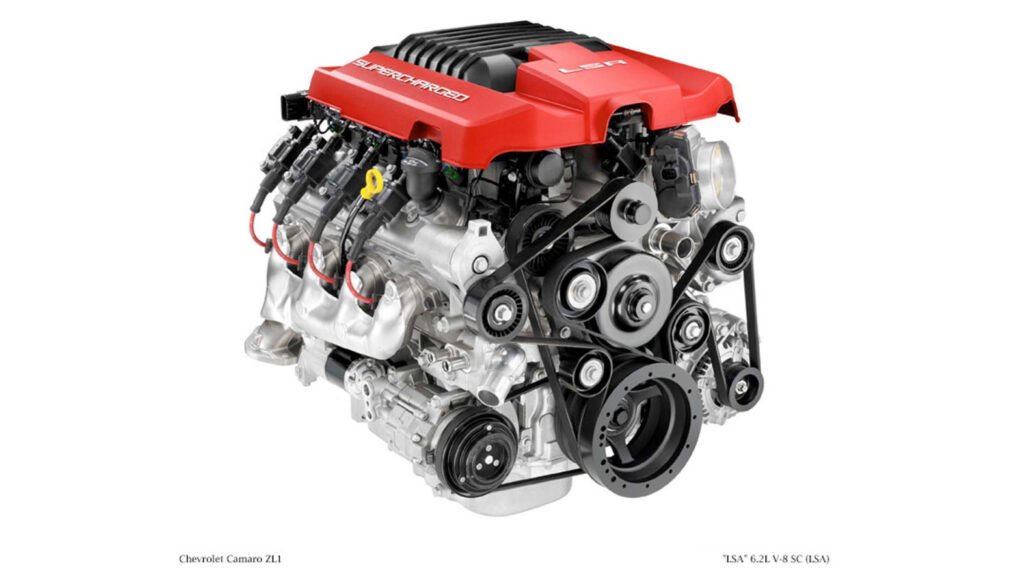
LSA: A Little Bit of Blower Adds a Lot of Performance
The LSA (6.2 liter, 376ci) was a detuned version of the LS9 and came stuffed into the 2009 Cadillac CTS-V. It received eutectic pistons instead of the forged ones found in the LS9, a smaller 1.9-liter supercharger with a top-mounted intercooler arrangement. Power rating for the Caddy was an impressive 556 hp. A reworked version of the LSA was used in the 2012-15 Camaro ZL1 where it churned out 580 hp. The LSA also used nodular iron main caps for strength, and like the LS9, employed piston oil squirters to reduce piston temperature.
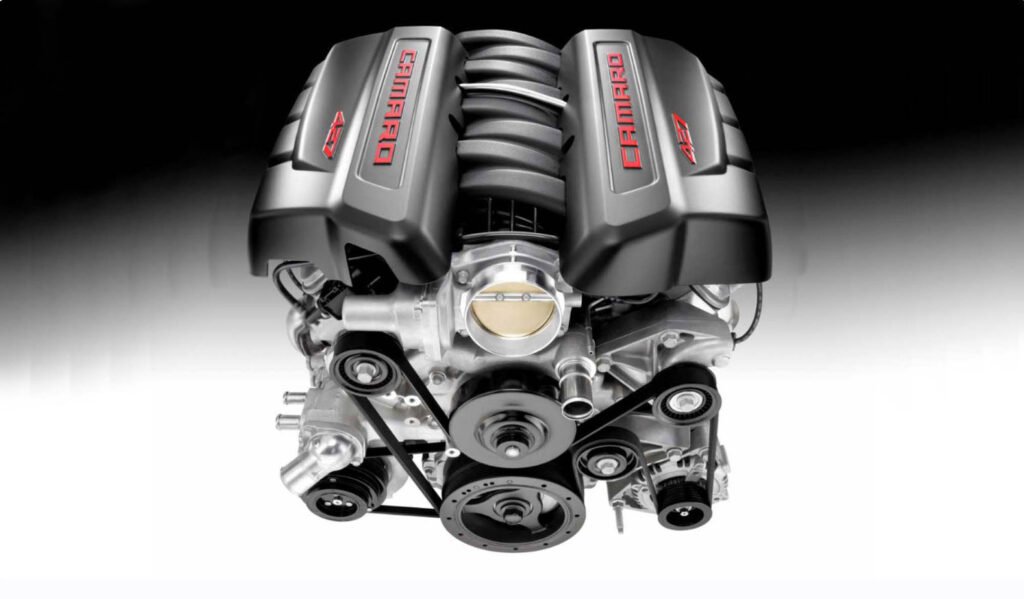
LS7: A Special Camaro Deserved a Very Special Engine
The LS7 (7.0 liter, 427ci) in 2014 and 2015 was used in the Camaro Z28 where it was also rated at 505 hp. It can handle up to a 4.125-inch stroke (making it 441 cubic inches), but given the extra work involved with converting it to a wet sump you’re better off leaving it as is. The Camaro Z28, thanks to its LS7 powerplant, remains one of the most track-capable Chevys ever built.
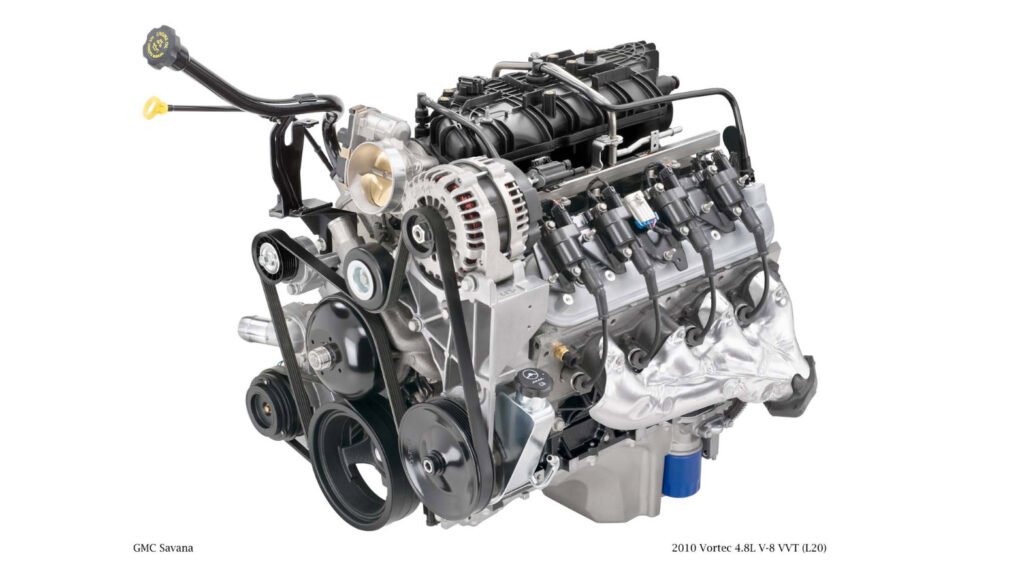
L20 4.8-Liter LQ4: Iron Block Vortec For Trucks and SUVs
The LQ4 (4.8 liter, 293ci) is the smallest LS ever produced. It shares its iron block with the 5.3-liter engine and even has the same 3.78-inch bore size. The drop in displacement comes from a shorter stroke crank (3.27 inches). It is impossible to tell a 4.8-liter from a 5.3-liter engine from the outside.
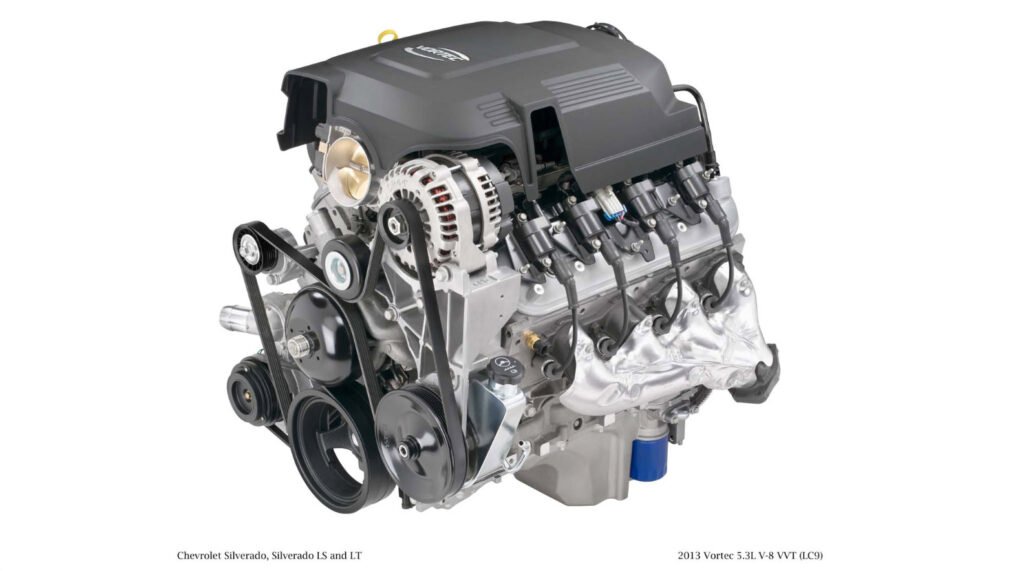
LC9 5.3-Liter: The Most Common LS Variant on the Planet
The LC9, with its 5.3-liter displacement is the most common LS engine on the planet and carries a pretty retro-cool displacement of 327 cubic inches. The longer 3.62-inch stroke is what separates it from the 4.8-liter and—like all LS variants—it has aluminum heads. Later versions received Active Fuel Management and some applications even received aluminum blocks.
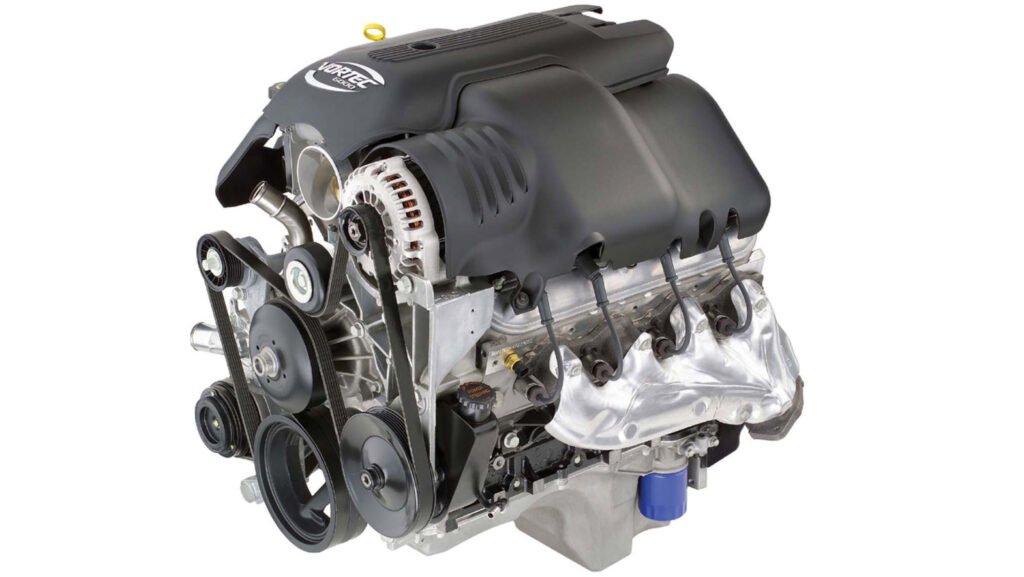
LQ9 6.0-Liter: More Displacement for Larger SUVs and Trucks
The 6.0-liter Vortec is typically found in 3/4- and 1-ton trucks, and while the blocks are usually iron (LY6) there are some aluminum (L76) blocks variants out there. Widely used, these engines can be found with Active Fuel Management as well as variable valve timing systems. Iron 6.0-liter blocks are the go-to for big-boost/big-power builds. The bores can be taken to 0.030-inch over (or larger with magnetic inspection), and they can be stroked up to 4.000-inches. A longer stroke is possible, but these blocks have the shortest cylinders of the line so it’s not a great idea due to piston rock at BDC.
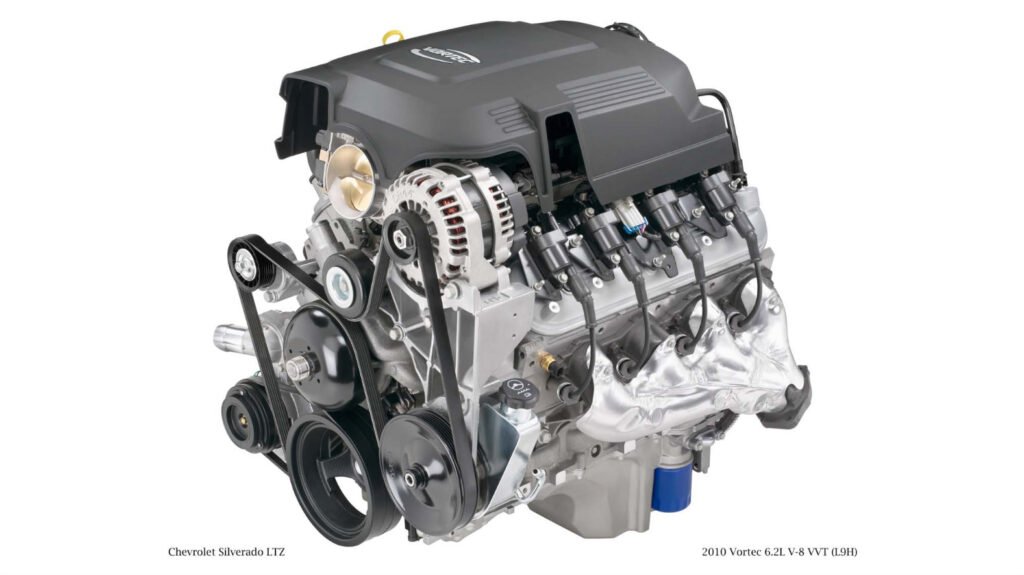
L9H 6.2-Liter: Harder To Find High Performance Version
The 6.2-liter, L92/L94/L9H-coded engines are the closest you’ll find to the performance LS car engines. They have aluminum blocks and the latest in CAFE-friendly tech such as variable valve timing. High-end SUVs like the GMC Yukon Denali and Caddy Escalade got this gem under the hood. The GMC Sierra (SLE/SLT), Sierra Denali, Suburban, Avalanche, and others also received this engine.
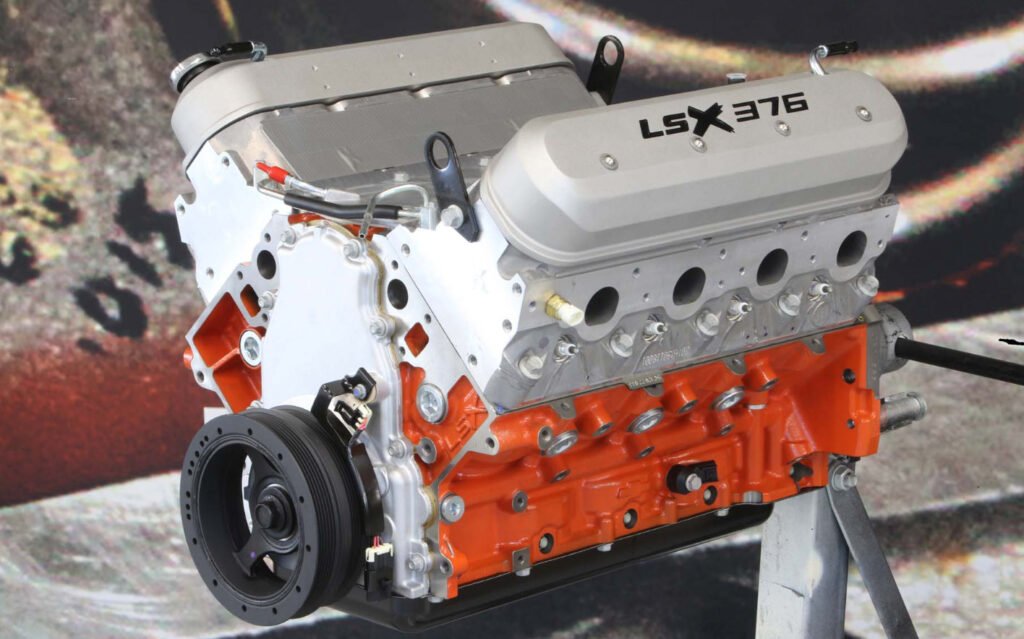
LSX376-B8: Low-Boost-Ready Aftermarket Crate Engine
The Chevy Performance LSX376-B8 crate engine is an affordable foundation for forced induction race engines. Chevrolet Performance takes the LSX Bowtie standard-deck block, adds blower-friendly 9.0:1 forged pistons and combines them with the LS3’s high-flow, rectangular-port heads. The LSX376-B8 is designed for lower-boost applications, up to about 8 pounds. That’s suitable for most supercharger and turbo kits that are designed to be used with production-based applications.
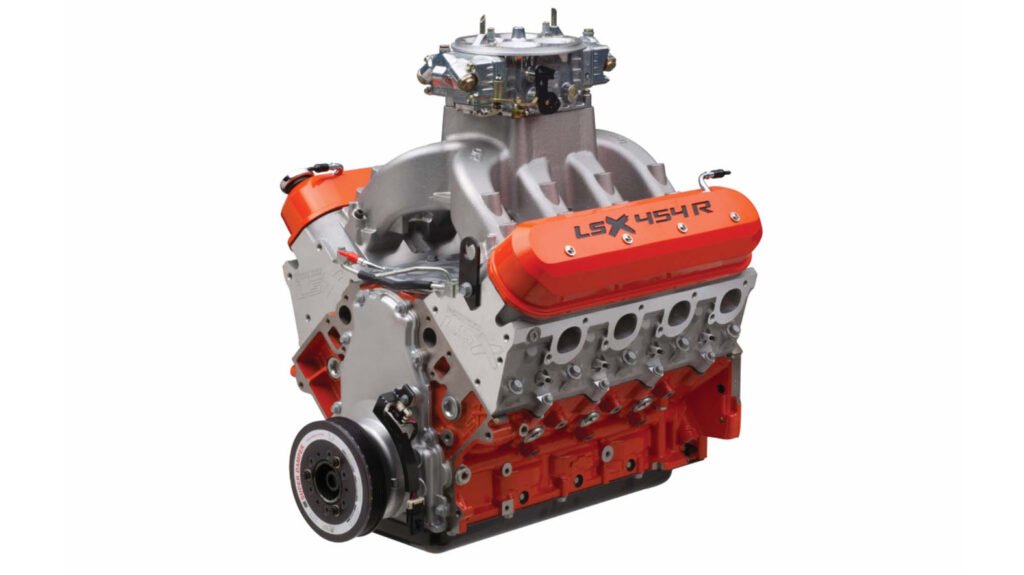
LSX-454 and LSX-454R: The Biggest Aftermarket LS Engines Offered by Chevrolet
The biggest aftermarket LS engines offered by Chevrolet Performance would be the LSX-454 and the hard-to-find LSX-454R. If you can find an LSX-454R you can expect to shell out around 20 grand, but for that you get a solid-roller, race-prepped mill that revs to 7,100 and puts out over 700 hp. For around 15 grand you can get the tamer and more street-friendly LSX-454 mill that still churns out an impressive 627 hp. Either way you will have big-block power and displacement in a compact package perfect for any LS swap.
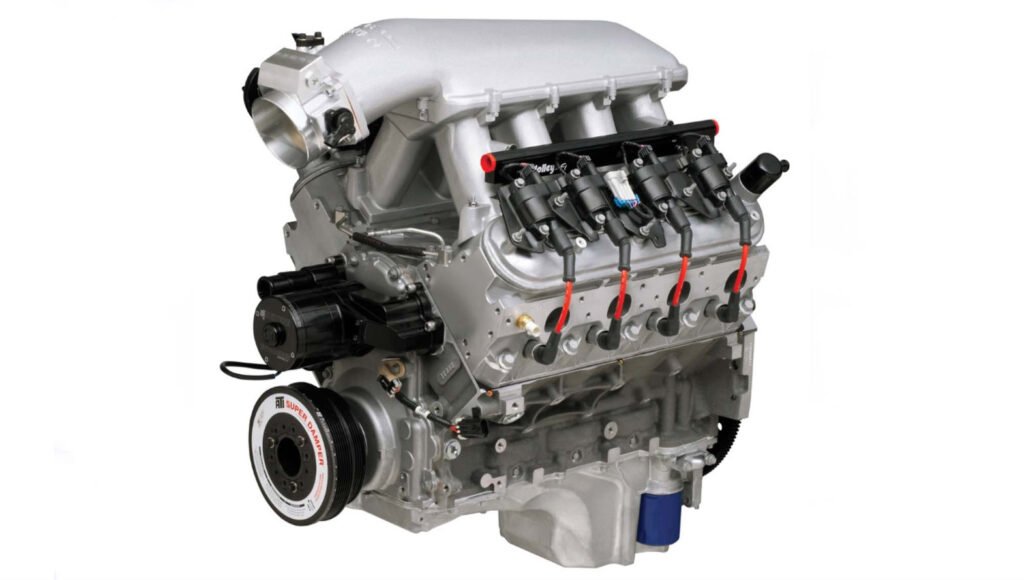
COPO Program Engines: Built for Racing
Nothing makes us think racing power more than those four sweet letters: COPO. Yea, saying Central Office Production Order just isn’t as sexy as its acronym, but the performance sure is. This 427-inch COPO crate engine strains the wallet at $27,000, but this 7.0-liter high-compression (13.5:1) mill is built and certified for the track. Forged crank and rods matched up to forged domed pistons and topped with a Holley intake is just a partial list of the high-end parts in this race-bred crate engine.
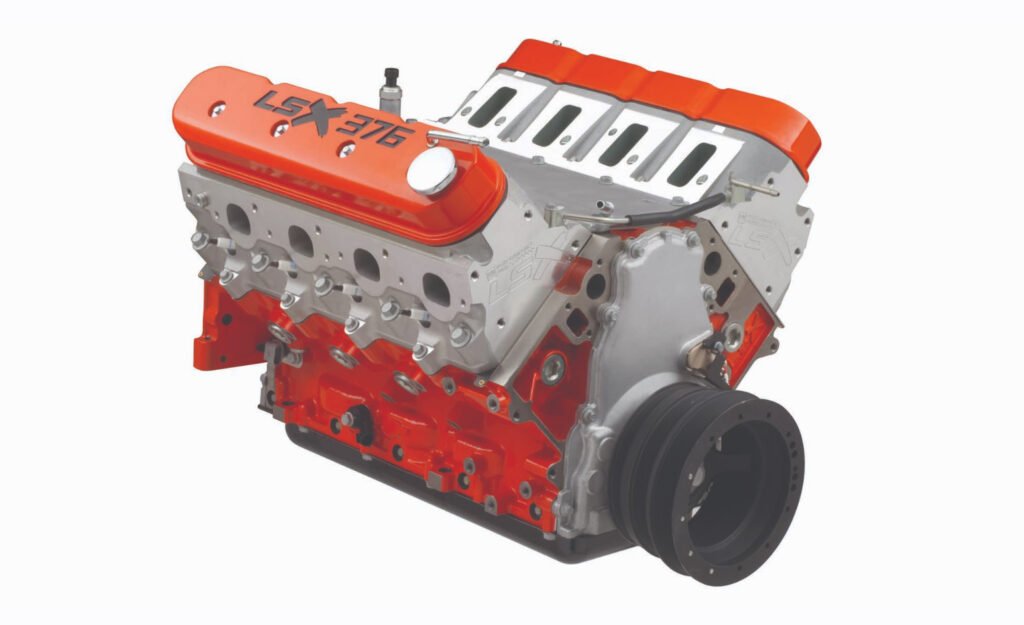
LS376-B15: Built to Handle More Boost for Even Greater Performance
The LSX376-B15 is durable, and its all-forged rotating assembly supports up to 15 pounds of boost. The engine is topped off with high-flow, LSX-LS3 six-bolt rectangular-port heads to create an affordable foundation for supercharged and turbocharged combinations. Think of this as the boost-ready B8, but for those that need a bit more atmosphere added to the equation.
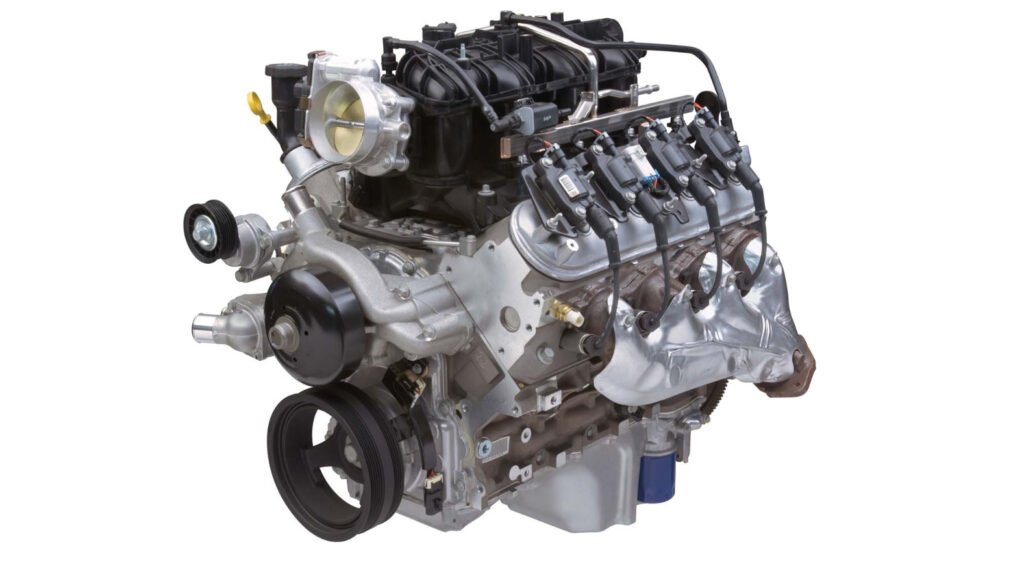
E-Rod: Emissions-Legal Crate Engine Program
When LS-swaps became more popular Chevrolet Performance instituted their E-Rod program (‘E’ standing for emissions). These were engines and drivetrain packages that were designed to be swapped into newer cars and, if you followed the rules, be emissions-legal even in tough states like CA. In the early days they offered 5.3-liter versions, but eventually evolved to E-Rod LS3s and LSAs.
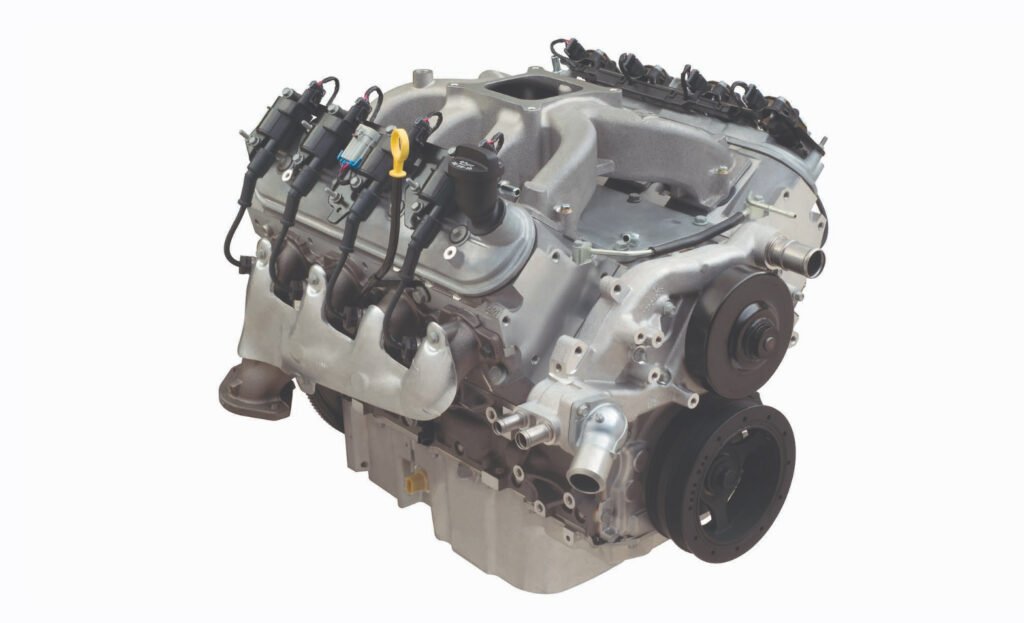
LS376/515: Carburetor-Ready Crate Engine
Using the LS3 engine as its foundation, the LS376/515 crate engine adds a racing-derived ASA Hot Cam and a carbureted intake system. The assembly includes an SS oil pan and LS3 cylinder heads, with high-flow rectangular-port intake passages, as well as our unique, spider-type carburetor intake manifold. This crate engine is rated at 533 hp and 477 lb-ft of torque.

Related Posts

Comments (0)